
Florida Homeowners Insurance FAQs
Lovinger Financial Services
Homeowners insurance in Florida can be confusing due to the state’s unique weather risks, regulations, and coverage requirements. At Lovinger Financial Services, we help homeowners throughout Florida understand their coverage options so they can protect their homes, families, and investments.
Below are answers to some of the most common questions about homeowners insurance in Florida.
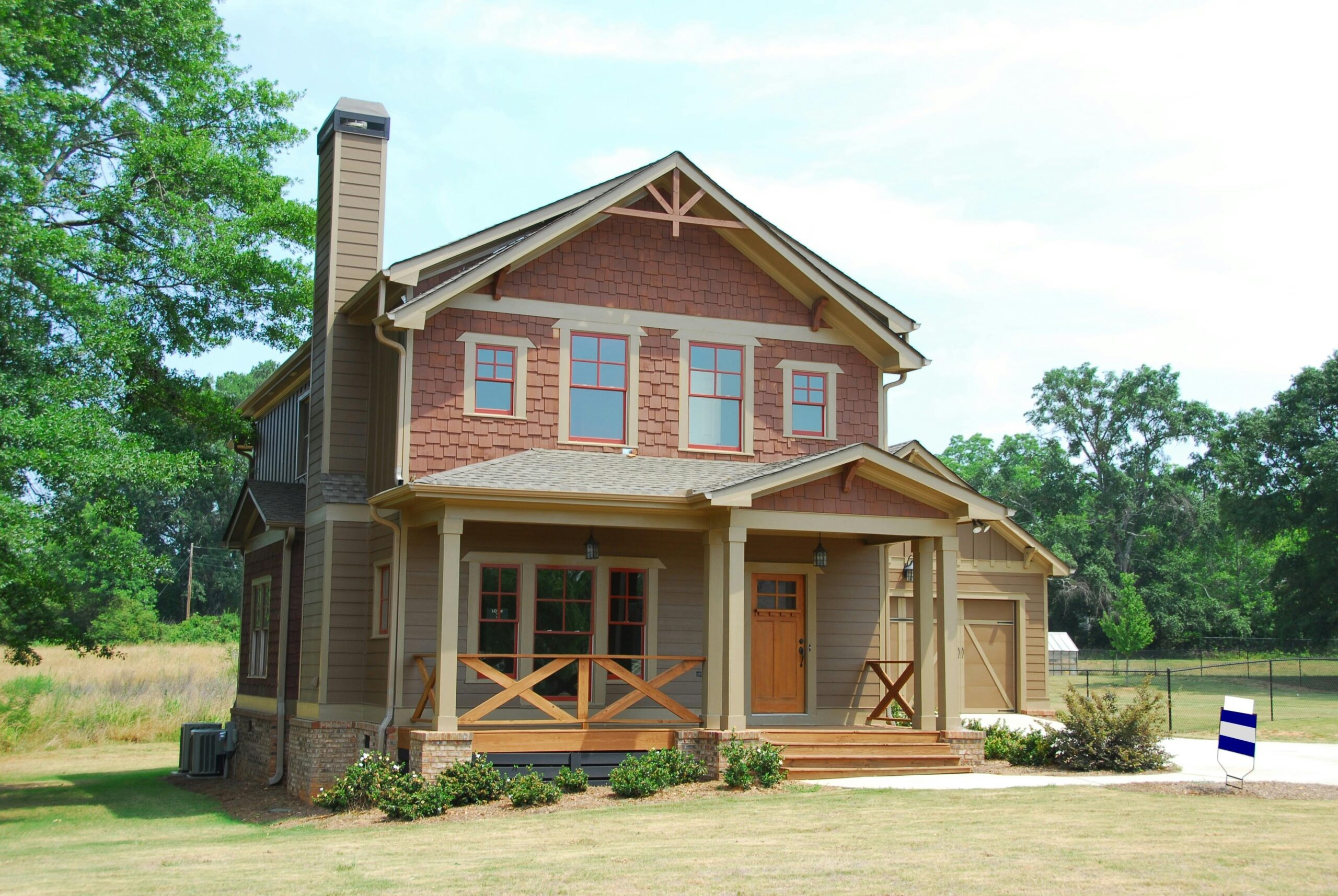
What Does Florida Homeowners Insurance Typically Cover?
Most homeowners insurance policies in Florida include several types of coverage:
Dwelling Coverage
Protects the structure of your home, including the roof, walls, and built-in appliances, from covered events like fire, storms, or vandalism.
Personal Property Coverage
Covers belongings such as furniture, electronics, and clothing if they are damaged or stolen.
Liability Protection
Helps cover legal and medical expenses if someone is injured on your property.
Loss of Use (Additional Living Expenses)
Pays for temporary housing and other expenses if your home becomes uninhabitable due to a covered loss.
Because Florida homes face unique risks, many policies include special windstorm deductibles and hurricane provisions.
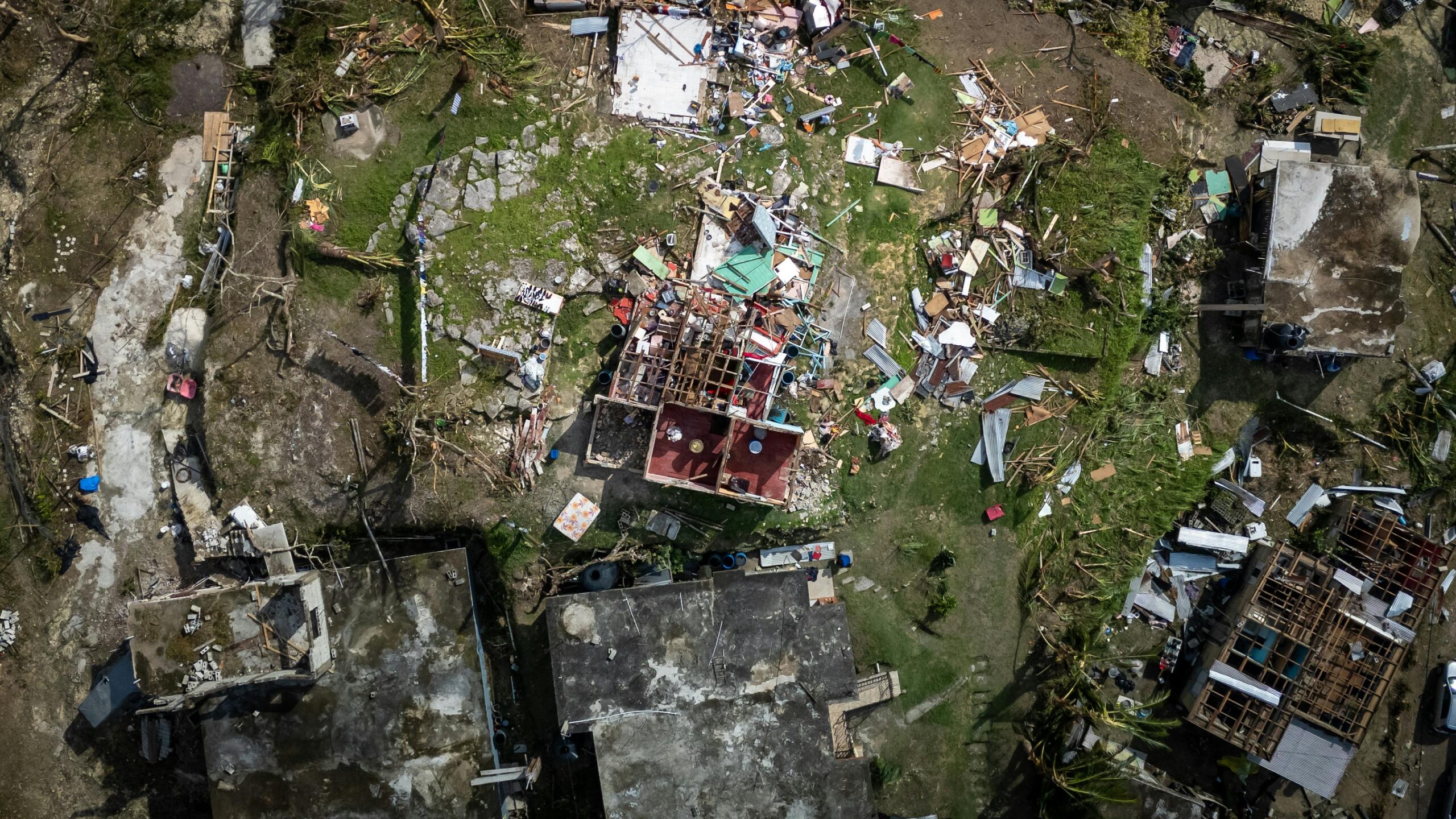
Is Hurricane Damage Covered by Homeowners Insurance?
Yes, most Florida homeowners policies cover wind damage from hurricanes, but there are a few important details:
-
Policies typically include a separate hurricane deductible
-
Flood damage caused by storm surge is not covered
-
Wind damage coverage may require special policy endorsements in some areas
Because hurricane deductibles are often 2–5% of your home’s insured value, it’s important to understand how they work before a storm occurs.
Does Homeowners Insurance Cover Flooding?
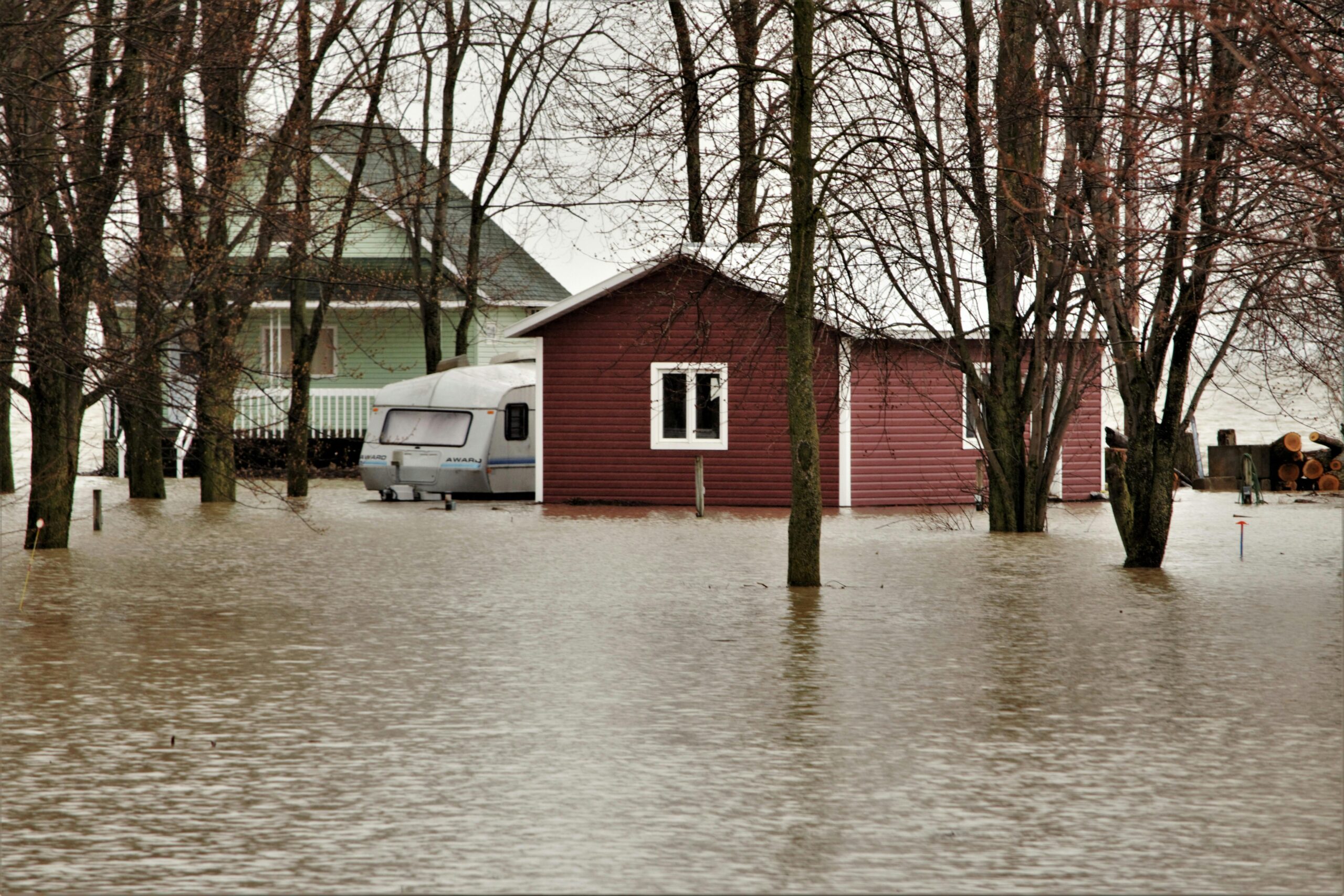
No. Standard homeowners insurance policies do not cover flood damage.
Florida homeowners often purchase a separate flood insurance policy through:
-
The National Flood Insurance Program (NFIP)
-
Private flood insurance providers
Even homes outside high-risk flood zones may benefit from flood coverage, as heavy rain and storm surge can cause unexpected damage.
Why Are Florida Homeowners Insurance Rates Higher?
Florida insurance premiums tend to be higher than the national average due to several factors:
-
Hurricane and severe storm risks
-
Coastal exposure
-
High rebuilding costs
-
Insurance market changes and legal environment
Working with an independent agency like Lovinger Financial Services can help homeowners compare multiple carriers to find competitive pricing.

What Is a Hurricane Deductible?
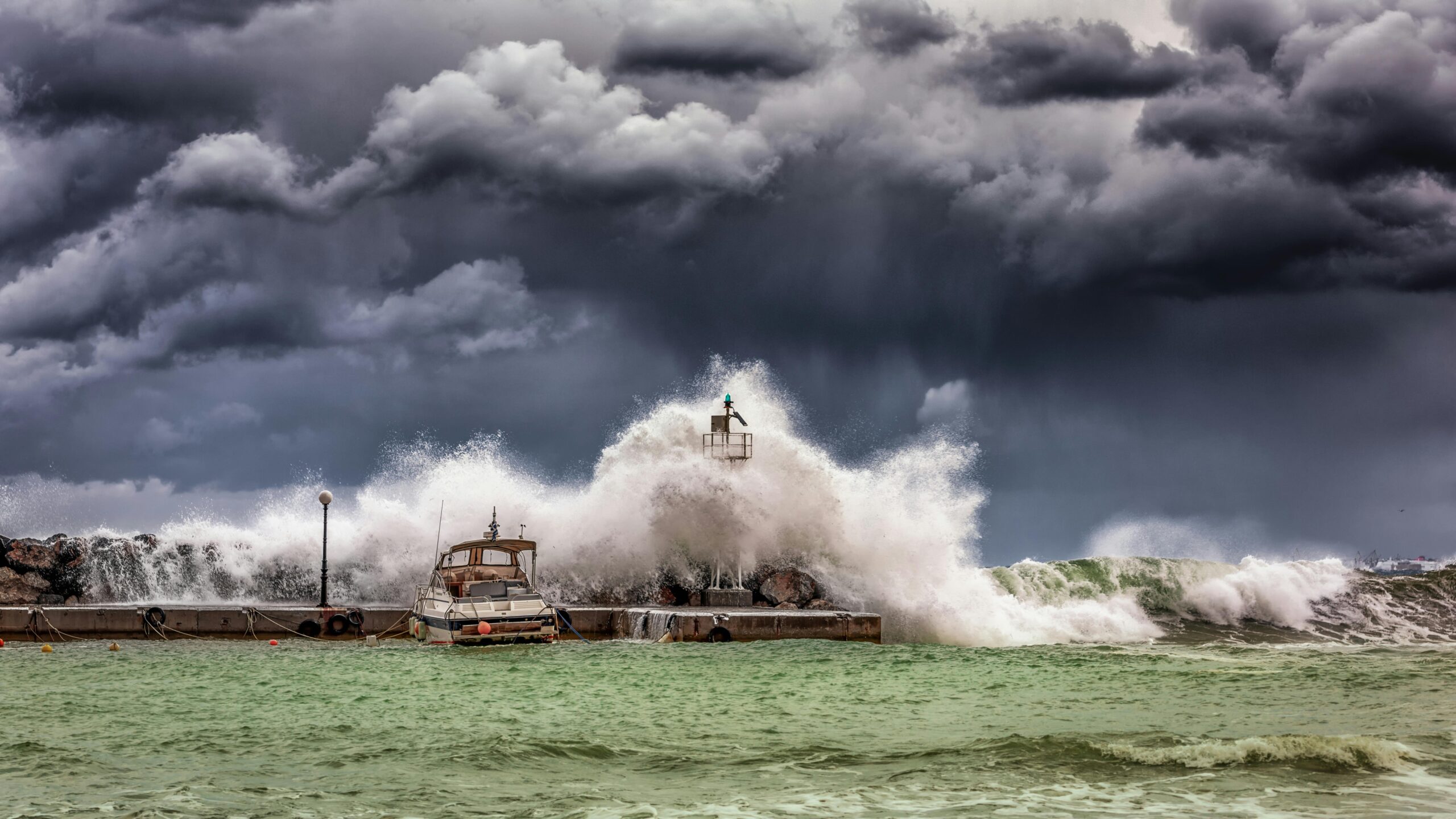
A hurricane deductible is a separate deductible that applies when damage occurs during a named hurricane.
Instead of a flat dollar amount, it is typically a percentage of your home’s insured value.
Example:
-
Home insured for $400,000
-
2% hurricane deductible
-
Deductible amount = $8,000
This deductible applies only once per hurricane season in most policies.
How Much Homeowners Insurance Do I Need?
The most important coverage amount is dwelling coverage, which should reflect the cost to rebuild your home, not its market value.
Factors that affect coverage needs include:
-
Square footage
-
Construction materials
-
Labor costs in Florida
-
Upgrades and custom features
An insurance professional can help estimate your home’s rebuilding cost to ensure you have adequate protection.

Are Older Homes Harder to Insure in Florida?
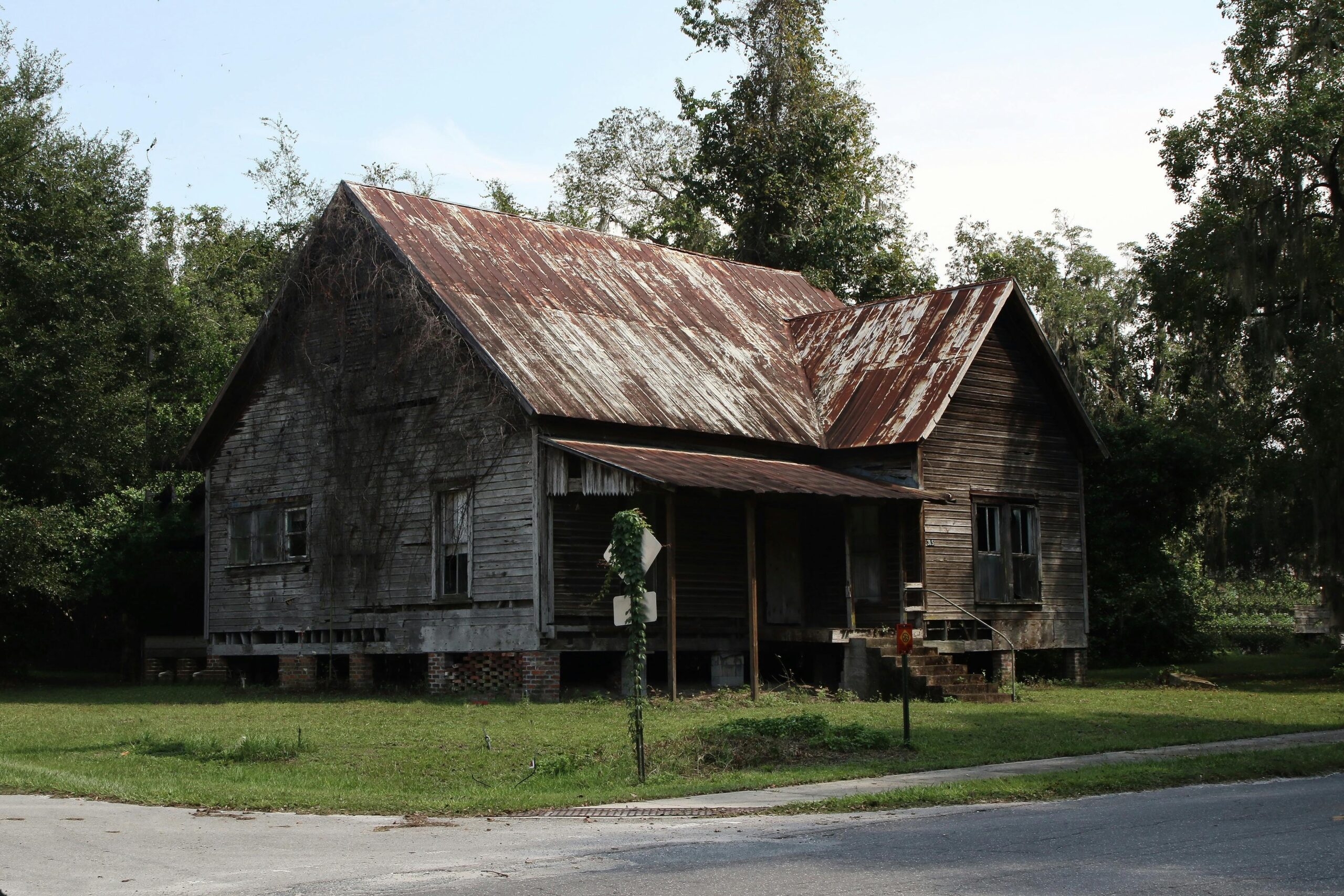
Yes, older homes can sometimes face stricter underwriting requirements.
Insurance companies may review:
-
Roof age
-
Electrical systems
-
Plumbing
-
HVAC systems
Homes with updated systems and newer roofs often qualify for better rates and broader coverage options.
Can I Lower My Florida Homeowners Insurance Premium?
There are several ways Florida homeowners may reduce insurance costs:
-
Install hurricane-resistant windows or shutters
-
Upgrade your roof
-
Bundle home and auto insurance
-
Increase your deductible
-
Install security systems
-
Maintain a claims-free history
A professional policy review can often uncover opportunities for savings.

What Is Wind Mitigation and Why Does It Matter?
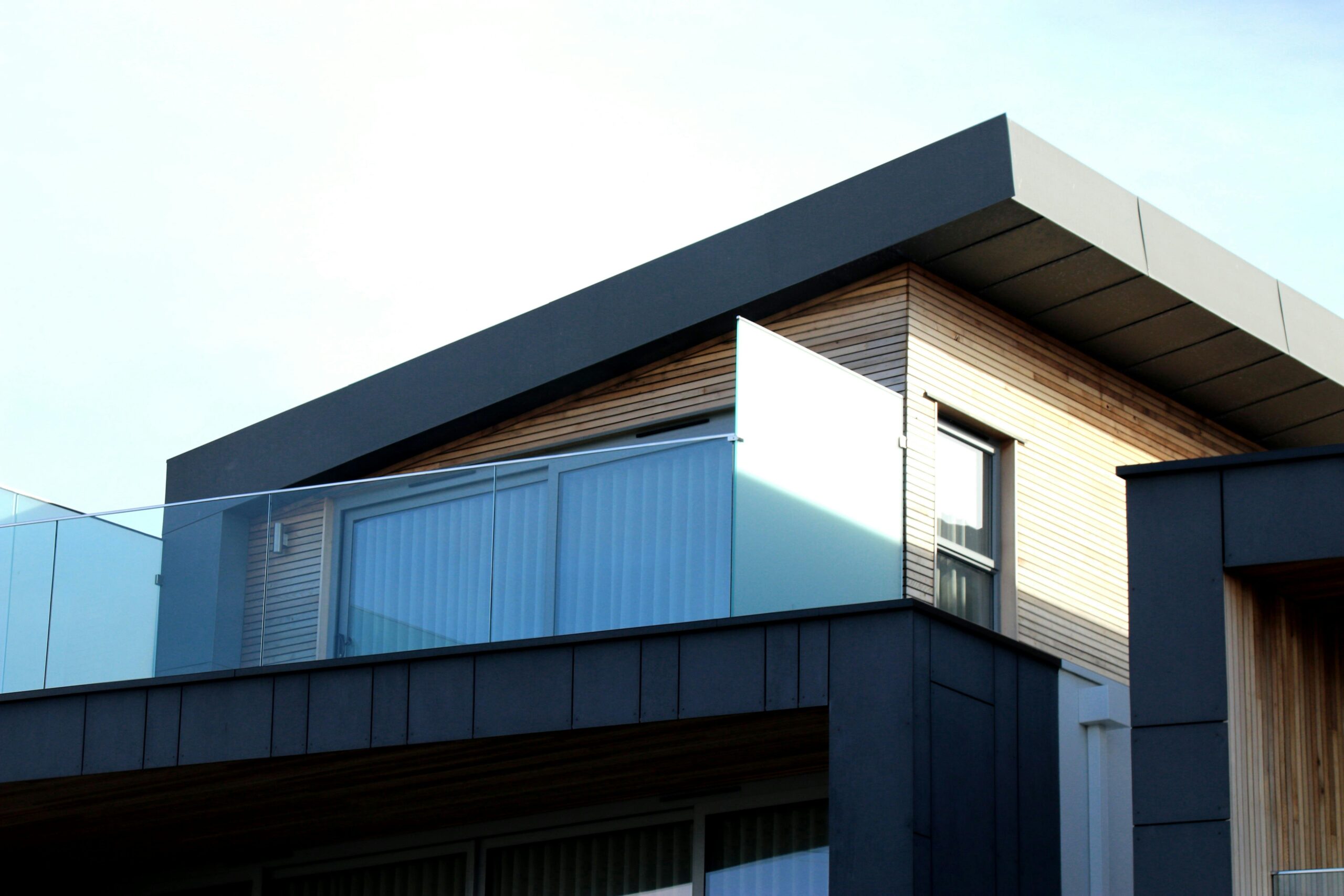
Wind mitigation refers to construction features that help your home resist hurricane winds.
Examples include:
-
Roof-to-wall straps
-
Impact-resistant windows
-
Reinforced roof decking
-
Secondary water barriers
Homes with strong wind mitigation features may qualify for significant insurance discounts.
Should I Review My Homeowners Insurance Every Year?
Yes. Florida homeowners should review their insurance annually to ensure:
-
Coverage reflects current rebuilding costs
-
Discounts are applied properly
-
New risks are addressed
-
Policies comply with lender requirements
Changes in Florida’s insurance market make periodic policy reviews especially important.
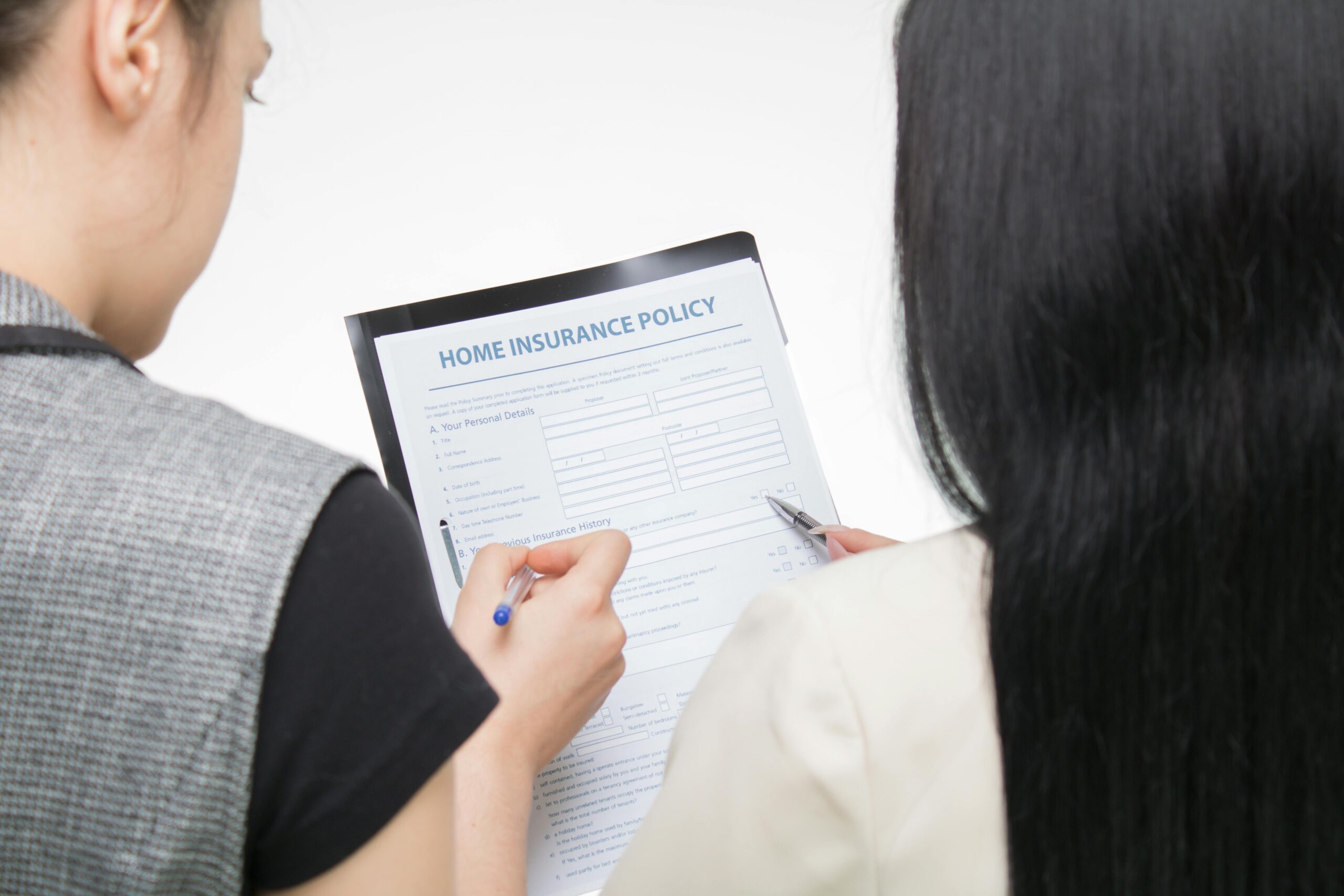
Start a Free Homeowners Insurance Quote